NYAYAVANI PARALEGAL VOLUNTEER & INTERNSHIP PROGRAMME
The Nyayavani Foundation successfully concluded its “Nyayavani Paralegal Volunteer & Internship Programme (NV-PLV) 2026” from June 2026 to July 2026. The programme is designed for experiential learning for students to move beyond classrooms and understand how law can be translated into awareness and accessibility.
The programme was organised in a hybrid mode, effectively combining online participation with field-based work within participants’ respective districts. The objective of the programme itself includes Nyayavani Foundation’s working areas of legal aid and awareness, civic engagement, and social impact.
BENEFITS OF NV-PLV
One of the key aspects of the programme was that it treated volunteering as a form of experiential legal education, where students can learn, understand, and grow. As Paralegal Volunteer, participants got the opportunity to:
- develop leadership and teamwork skills;
- understand how legal awareness can be communicated simply to ordinary citizens;
- develop legal research and writing skills;
- collaborate and network with students of diverse educational backgrounds and regions;
- associate with the Foundation for longer-term, subject to top performance of participants.
REGISTRATION AND SELECTION PROCESS
The programme received participation of more than 250 students registering across India covering more than 40 districts. This created a diverse network of students with a common objective of gaining and contributing meaningfully.
Owing to the number of registrations received, the selection process was rigorous and exciting. It was designed in three stages to identify applicants with genuine interest and commitment towards the objective of the programme.
Stage I: Application Screening
The first stage involved the submission of application forms including CVs and other relevant details of the participants. Interestingly, it also included some reflective questions to ascertain the commitment of students.
Stage II: Video Submission Round
Selected applicants were shortlisted and asked to submit their videos consisting of their introduction and purpose to apply for the NV-PLV Programme.
Stage III: Final Interview
After narrowing the applicant pool the final stage involved an interview round. It was the most important process to understand the applicant beyond their academic and professional profile, particularly their motivation, enthusiasm, communication skills, and presence of mind.
The final cohort consisted of around 20 selected students who were willing to participate actively. Therefore, the screening process itself became an early learning experience, encouraging students to reflect on their legal education beyond academics.
FUNCTIONING OF THE PROGRAMME
The functioning of NV-PLV was based on regular interactions, through sessions, discussions, assignment submissions, teamwork capabilities, and accountability. It enabled participants to remain actively involved in the activities rather than simply completing assignments. The fascinating part was that the participants were divided into their respective district-based teams to work collectively. This allowed teammates to interact and connect while exchanging their ideas, dividing responsibilities, and learning from diverse approaches to the same issue.
The functioning of NV-PLV was based on regular interactions, through sessions, discussions, assignment submissions, teamwork capabilities, and accountability. It enabled participants to remain actively involved in the activities rather than simply completing assignments. The fascinating part was that the participants were divided into their respective district-based teams to work collectively. This allowed teammates to interact and connect while exchanging their ideas, dividing responsibilities, and learning from diverse approaches to the same issue.
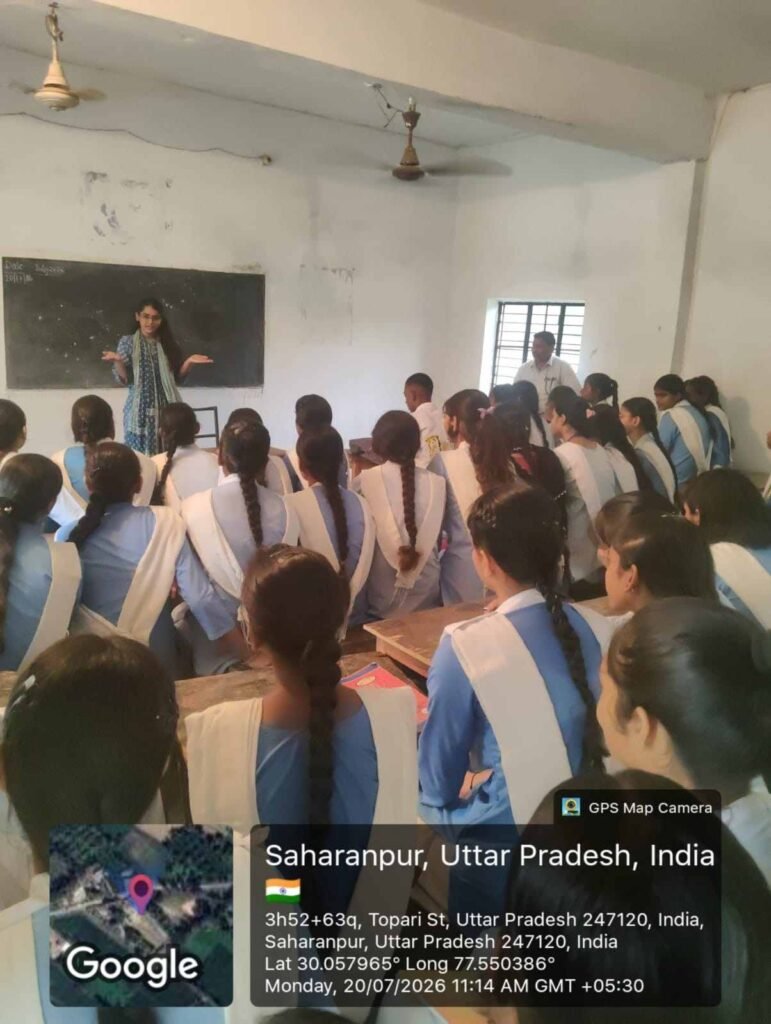
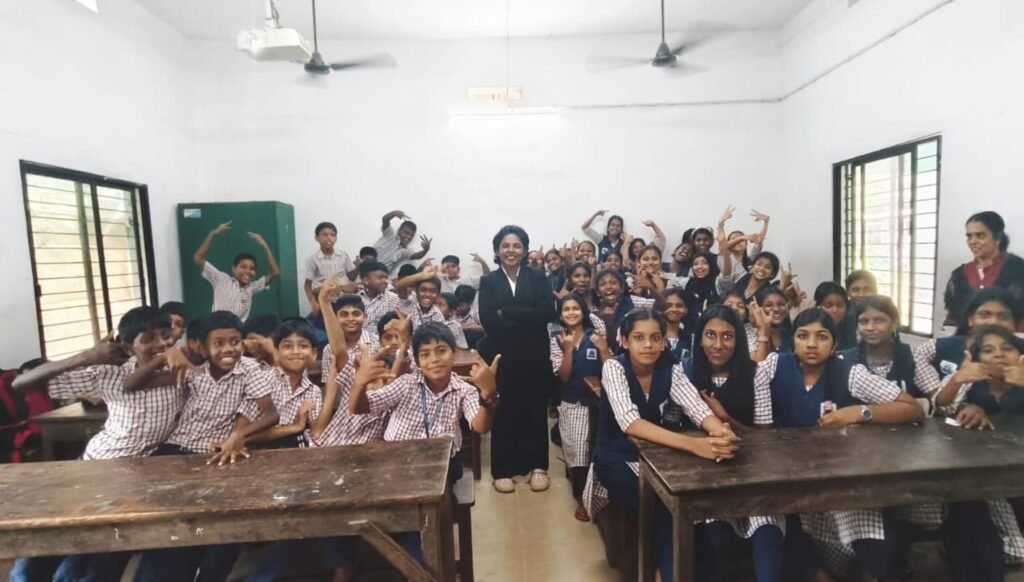
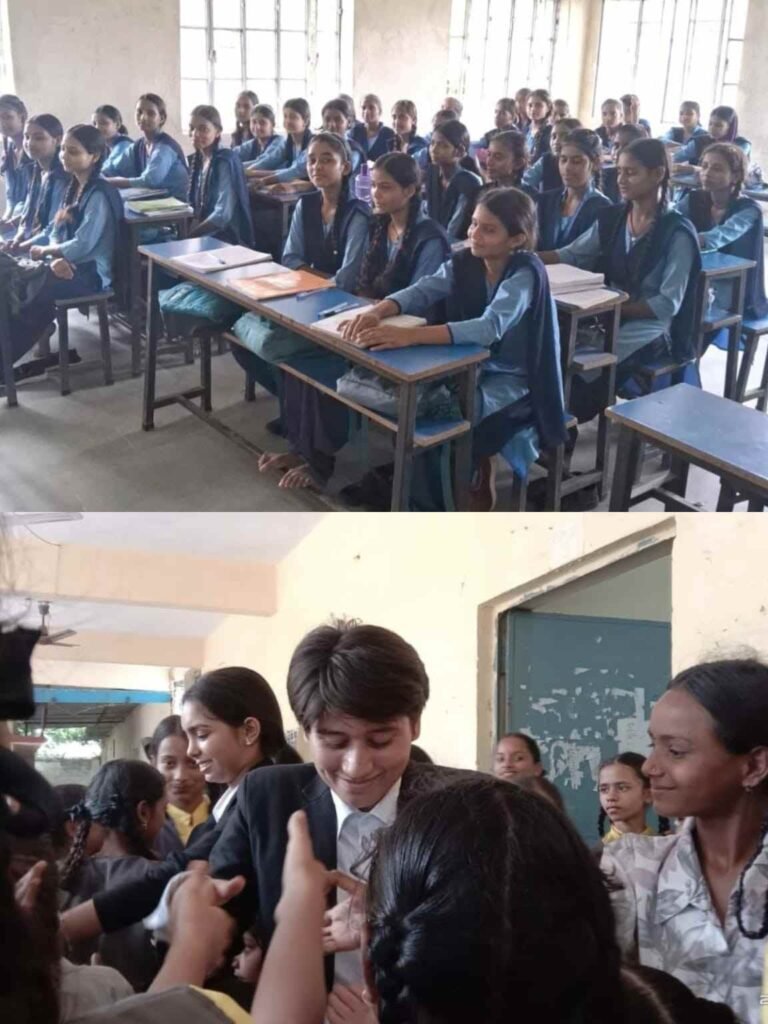
Moreover, the programme, unlike other short-term webinar or workshops also included attending sessions and group discussion to make it more engaging, while emphasising on practical socio-legal issues in the society. Further, the most impactful assignment was the grassroots school research and outreach task, which required participants to conduct ground-level legal awareness session in government or private schools within their respective districts. This small assignment for session served and awakened around 250 small school-going children who survived without any awareness of their rights.
For volunteers, this was an extraordinary opportunity to simultaneously develop skills that are essential for legal as well as other educational fields. This included coordination, communication, delegation, problem-solving, time management and holistic development. It extended beyond reading statutes or judgments and simplified the understanding of practical purpose of legal education. It allowed the participants to view law through the lens of awareness and empowerment rather than merely through courts and elite legal professionals. The programme also pushed a sense of responsibility within participants, realising that true legal knowledge becomes meaningful when it is understood by the ones who need it.
CONCLUSION
The NV-PLV Programme was more than a short-term internship programme. What makes it unique was the geographical diversity, exchange of different ideas, digital as well as on-ground outreach programmes. Therefore, the programme created an interdisciplinary platform and beneficial structure, which involved the organisation which provides the opportunity, the volunteers who contribute their time and improve their skills, and the communities who receive greater and easier access to legal awareness, ultimately benefiting the integral part of the society.